
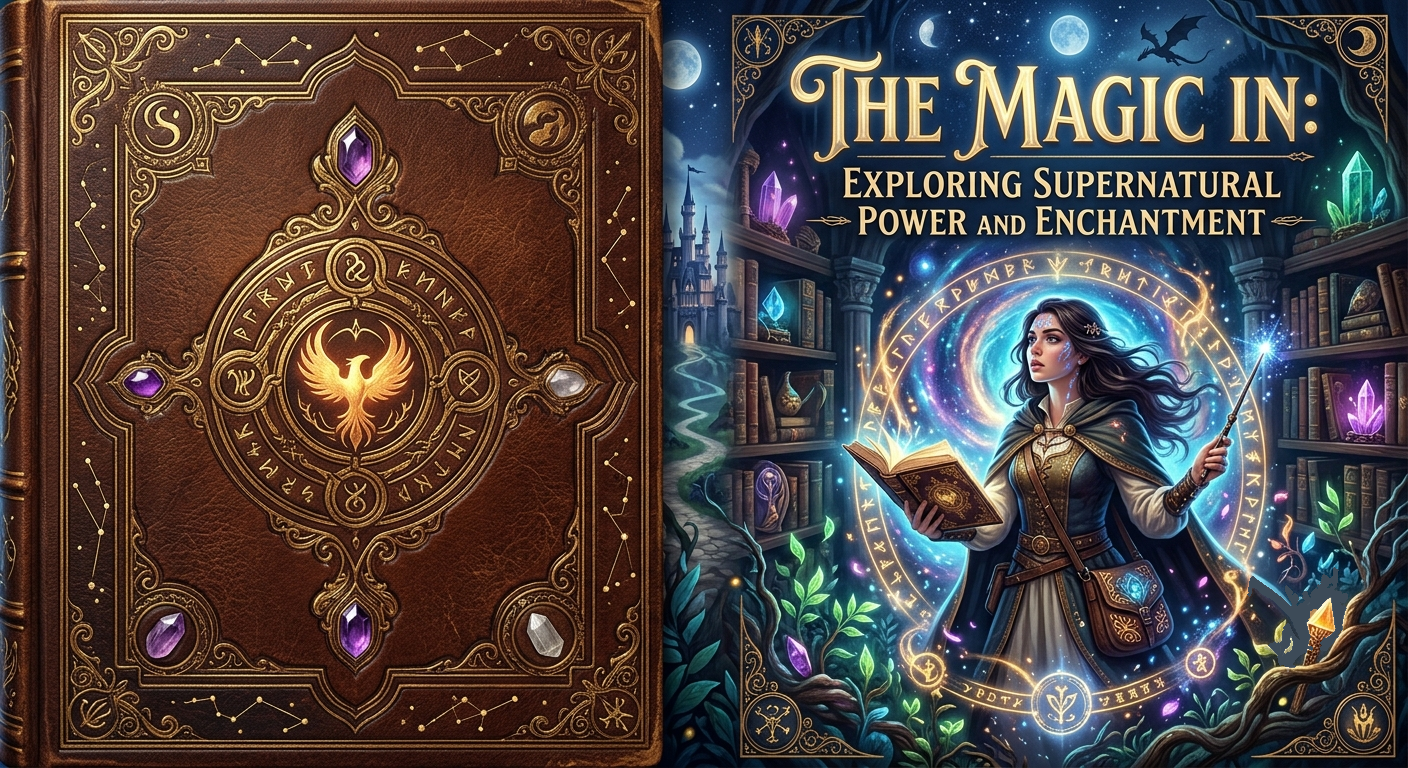
Understanding the Concept of Magic
Magic has fascinated human beings for centuries, often defined as the use of means such as charms, spells, or rituals believed to wield supernatural power over natural forces. This ancient belief suggests that individuals can influence events or forces beyond natural explanation through mysterious practices.
At its core, magic involves more than mere trickery; it is the act of tapping into unseen forces that transcend our ordinary experience. Traditionally, magic rites or incantations were used to invoke or control those forces.
Whether through spoken words, gestures, or symbolic acts, the use of these methods has been central to many cultures and spiritual traditions, emphasizing a connection to powers that lie beyond the physical world.
The Supernatural Power Behind Magic
Magic is often associated with an extraordinary power or influence that seems to stem from a supernatural source. This power can manifest in various ways, including protection, healing, or even causing change in the environment.
Examples vividly illustrate the phrase “the magic in” certain experiences or individuals. For instance, in sports, both pitchers, although older, haven’t lost their magic. This illustrates magic as an intangible force driving exceptional performance.
This extraordinary influence is more than just luck; it feels as if it emanates from a higher or unseen power, enriching the world around us with mystery and wonder.
The Enchantment of Magic
Beyond power, magic often refers to something that seems to cast a spell, creating a feeling of enchantment. This quality transforms ordinary moments into experiences filled with awe and fascination.
Enchantment has a unique ability to captivate the senses and emotions, connecting deeply with human imagination and desire for wonder. The allure of magic often brings a sense of romance and mystery that belongs to realms beyond the mundane.
This enchanting aspect is why magic continues to inspire stories, art, and cultural traditions, preserving a connection to the fantastic and unknown.
Magic as Illusion and Sleight of Hand
The art of producing illusions by sleight of hand is another vital aspect of magic. Unlike supernatural magic, this form is based on skill and deception designed to entertain.
Magicians create wonder through carefully crafted performances, combining dexterity and timing to make the impossible appear possible. This artistry reflects the human fascination with mystery and surprise.
While it does not involve real supernatural power, this type of magic still captures the imagination and embodies the spirit of enchantment that magic represents.
The Language and Evolution of Magic
The term “magic” is often used as both a noun and an adjective. As a noun, it relates to spells, supernatural influence, or illusions. As an adjective, it describes qualities that seem supernatural or enchanting, such as “magic moments” or “magic qualities.”
Verbs like “magicked” and “magicking” evoke the active use of magic powers, whether to produce, remove, or influence something mysteriously. This language evolution reflects how magic permeates many facets of life and culture.
This linguistic flexibility demonstrates the broad appeal and relevance of magic, bridging the gap between the mystical and the everyday.
Common Practices and Beliefs Surrounding Magic
Throughout history, communities have embraced various magical practices, such as casting spells, performing rituals, and using charms to access supernatural help or protection.
These traditions often include invoking spirits or divine forces, believing that such powers can influence fate, health, or success. The idea of magic rites adds solemnity and structure to these practices, connecting them to cultural identity and spiritual understanding.
Despite skepticism in modern times, many still find magic meaningful, using its symbolism to express hope, control, or deeper connection to the universe.
The Role of Magic in Popular Culture and Daily Life
Magic permeates popular culture, inspiring literature, film, music, and art. Its themes of power, mystery, and enchantment resonate deeply with audiences, fostering imagination and creativity.
In everyday life, the phrase “the magic in” can describe moments of exceptional beauty, connection, or inspiration. It captures the sense that something extraordinary is present, even when unseen.
This concept allows people to recognize and celebrate those moments where reality feels more vibrant, encouraging mindfulness and appreciation.
Examples of Magic in Daily Context
- Magic in nature’s breathtaking sunsets or the quiet magic of a child’s laughter.
- The magic in personal achievements, like a seasoned athlete’s unexpected victory.
- The magic in relationships, where connection and understanding seem almost otherworldly.
Semantic Connections: Exploring Related Terms and Concepts
Magic is closely related to concepts like enchantment, sorcery, mysticism, and ritual. These terms reflect different dimensions of influence, power, and belief within cultural contexts.
Understanding these relationships helps deepen the appreciation of how magic operates symbolically and practically throughout history and modern life.
Semantic SEO benefits from this layering by naturally incorporating related phrases and ideas, enhancing relevance and reader engagement.
Frequently Asked Questions (FAQs)
What is meant by “the magic in” something?
“The magic in” refers to an extraordinary power or enchanting quality that seems to originate from a supernatural or mysterious source, giving something a special allure or influence.
How does magic differ from illusions?
Magic involving supernatural power is believed to influence natural forces, while illusions are skillful tricks performed by magicians to entertain, relying on deception rather than supernatural elements.
Are magic rites still practiced today?
Yes, many cultures and spiritual traditions continue to practice magic rites, including spells and rituals, as a means of connecting with spiritual forces or seeking guidance and protection.
Can magic be considered a real force?
While magic is often viewed symbolically or spiritually, its existence as a literal supernatural force remains a matter of belief rather than scientific proof.
How does enchantment relate to magic?
Enchantment is the feeling or effect produced by magic that captivates or fascinates, often evoking wonder and emotional connection to something extraordinary.
Conclusion
The magic in transcends simple definitions, encompassing supernatural power, enchanting influence, and creative illusion. Rooted deeply in human culture, magic continues to inspire awe and fascination. Whether seen as a spiritual force, a source of wonder, or an art form, magic enriches our experience and invites us to explore the mysteries beyond the visible world.
By embracing the diverse meanings of magic—from ancient rites to modern enchantment—we celebrate a timeless element that connects us to possibility, imagination, and the unexplained powers that shape our reality.
This enduring allure ensures that the magic within remains alive and vibrant, inspiring curiosity and hope for generations to come.